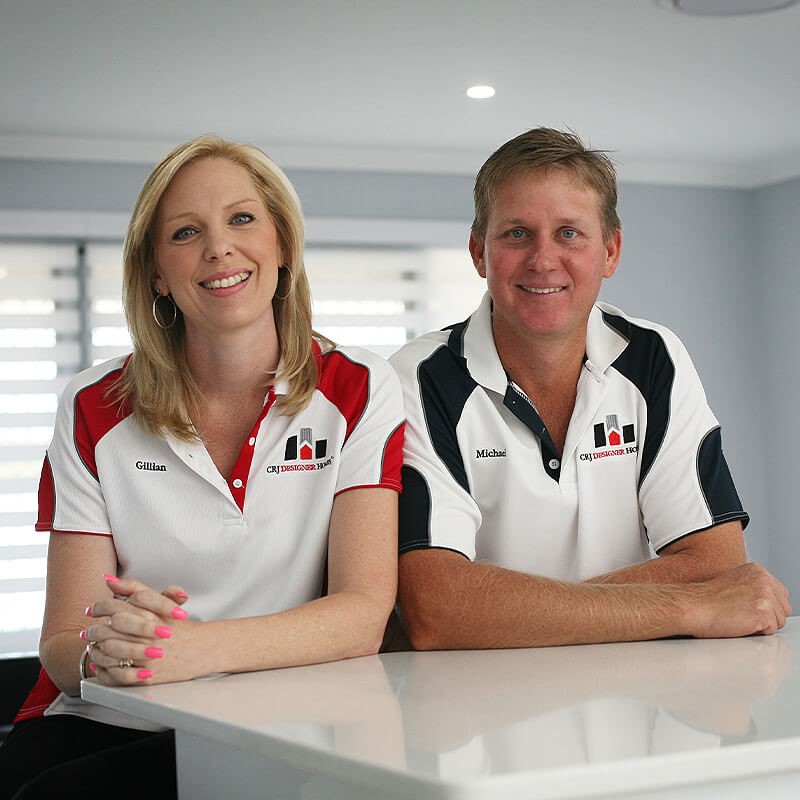
CRJ Designer Homes is a locally owned, family operated building company. Since being established in 2006, Michael and his wife Gillian have made it their goal to build quality homes at exceptional prices, with inclusions that most would consider as an extra!
Single Story vs Double Story Home: What to Consider Before You Commit

Both single storey and a double storey home have real advantages and beautiful home designs. It can be hard to pick which one is perfect for your new build. But it’s an important decision as it will shape your budget, block and the home you live in for years to come.
There isn’t one right answer in the single story vs double story debate. It depends on your land, your family, your lifestyle and what you actually want from the years you'll spend living there. As custom home builders, we get asked about this pretty often, so we thought it was worth laying out what matters and what you might not have considered yet before you commit to one or the other.
The Key Differences Between A Single & Double Story Home
On paper, the difference seems simple. One has stairs, one doesn't. But once you dig into the detail, the two options behave quite differently when it comes to cost, comfort and how well they suit your block.
Single storey homes:
- Cost more per square metre to build, since you need a bigger roof and bigger foundation to cover the same living space
- Are generally quicker to build, with simpler engineering and no upper floor structure
- Suit wider or larger blocks where you've got room to spread out
- Keep everything on one accessible level
Double storey homes:
- Can potentially give you more floor area for your budget
- Take a bit longer to build and involve more structural engineering
- Suit narrower or tightly zoned blocks, letting you keep outdoor space
- Naturally separate living areas from bedrooms
Making the Most of Your Property
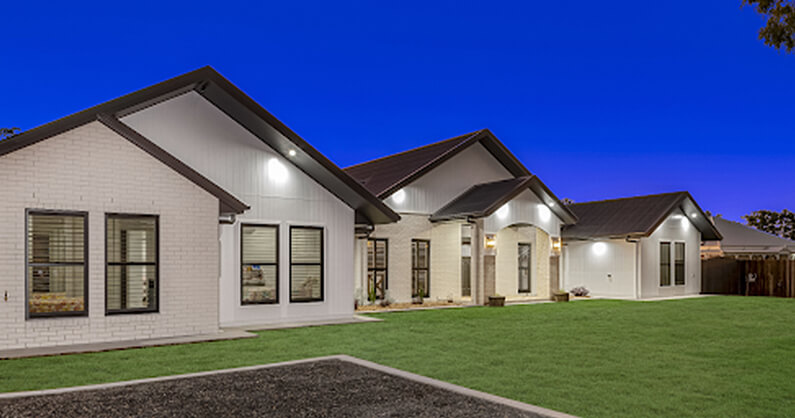
Personal preference is one thing but your block may heavily influence your decision.
If you've got a smaller or narrower lot, going up rather than out lets you keep space for a garden, a pool, a shed, or just somewhere for the kids and pets to run around. A single-storey home on the same block might mean the house eats up most of your outdoor space, which isn't ideal if you love entertaining or want room to grow into.
If you've got a larger block with room to move, a single storey build lets you:
- Spread living areas out without climbing stairs
- Create a strong connection between indoor and outdoor living
- Open straight from living areas onto a deck or alfresco space
Sloping blocks add another layer to the conversation. Rather than cutting and filling to force a flat single storey design onto a slope, a split level or double storey home can often work with the slope instead of against it, which can save you money on earthworks in the long run.
Layout Options
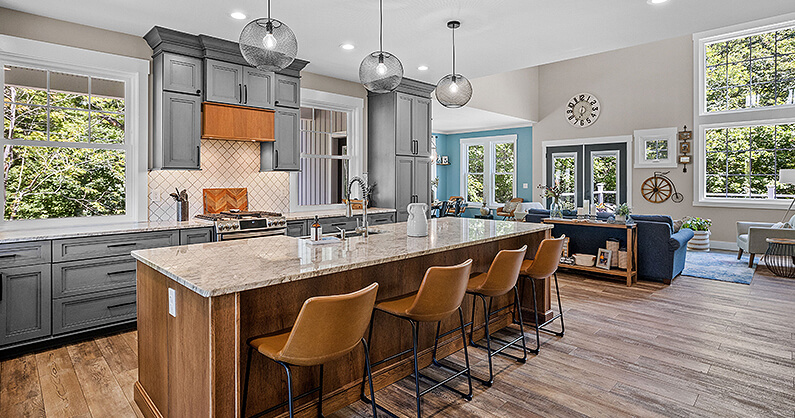
Layout is where the two styles start to feel quite different to live in.
Single storey layouts tend to offer:
- One flowing, connected level with no stairs to navigate
- Open plan living, kitchen and outdoor areas that sit side by side
- Easier day-to-day movement, which suits young families and older residents alike
- Simple, direct access for anyone with mobility needs
Double storey layouts tend to offer:
- A clear separation between "day" spaces downstairs and "night" spaces upstairs
- More privacy between bedrooms and main living or entertaining areas
- Guest rooms or bathrooms that don't require walking past the main bedroom
Neither layout is better across the board. It comes down to how your household actually uses a home day to day, and whether you'd rather everything within easy reach or clearly zoned apart.
Energy Efficiency and Comfort
Comfort inside the house plays out differently depending on which way you build.
Double storey homes can experience more temperature variation between levels, since heat naturally rises and the upstairs can run warmer in summer. Good insulation, well-placed windows and thoughtful ventilation make a real difference here, and it's worth discussing this with your builder while in the planning stages.
Single storey homes tend to be more consistent in temperature from room to room, though the larger roof area can mean more exposure to summer heat if insulation isn't up to scratch.
Either way, orientation matters just as much as the number of storeys. A well-designed home, single or double storey, should be positioned to make the most of natural light and breezes while keeping the harsh western sun out of living areas.
Views and Neighbours

If your block has a view worth chasing, whether that's ocean, hinterland, or just a nice outlook over the neighbourhood, a second storey can be the difference between glimpsing it and actually living with it. Bedrooms, a home office, or even just a landing with a window seat can take advantage of height that a single-storey home simply can't offer.
There's a flip side to consider too. Going up can mean looking directly into a neighbour's yard, and vice versa. It's worth thinking about window placement, screening and orientation early in the design process, well before you're standing in a finished upstairs bathroom realising next door can see inside. A good custom home builder will factor this into the design from day one rather than leaving it as an afterthought.
Single-storey homes tend to offer more privacy from the street and from neighbours by default, simply because there's less overlooking involved.
Resale Value
It's not the most exciting part of the conversation, but it does matter. Resale value for single story vs double story homes really depends on your suburb and the type of buyer you're likely to attract down the track.
- Areas with lots of young families: double storey homes with separated living zones and multiple bedrooms upstairs tend to be in strong demand
- Areas popular with retirees or older buyers: single storey homes with no stairs and easy accessibility often hold their value well, since accessibility becomes more important as buyers age
- Established, tightly held suburbs: double storey homes often perform well simply because they make the most of smaller blocks
As Bundaberg home builders, we recommend chatting with your builder or a local agent about what's actually selling well in your specific area, because larger trends don't always match what's happening on your street.
Quick Comparison: Who Each Option Suits Best

Single storey may suit you if:
- You have a larger or wider block
- You want easy, stair-free living for young kids or ageing parents
- Privacy from neighbours is a priority
- You'd rather a faster, more straightforward build
Double storey may suit you if:
- You're working with a smaller or narrower block
- You want to preserve outdoor space for the garden, pool or entertaining
- You'd like clear separation between living areas and bedrooms
- Your block offers a view worth building up for
Talk to the Team Who Know the Local Market
There's no universal winner in the single story vs double story debate. The right choice depends on your block, your budget, your family and what you want your day to day life to look like. What works brilliantly for a young family on a narrow inner suburban lot might be completely wrong for a retired couple on a big block out of town.
That's exactly why it pays to sit down with builders who understand your local area inside and out. As experienced Bundaberg home builders, we've helped families work through this exact decision many times, and we know how local blocks, council requirements and buyer trends in the region come into play. If you're weighing up single storey against double storey and are in the Wide Bay area, start with our free build assessment or give us a call.
About the author
comments powered by Disqus

Say hello to CRJ

Get your free build assessment
Fill out our assessment request telling us what you're after in your new home & we'll provide you with a full home build & cost estimate.