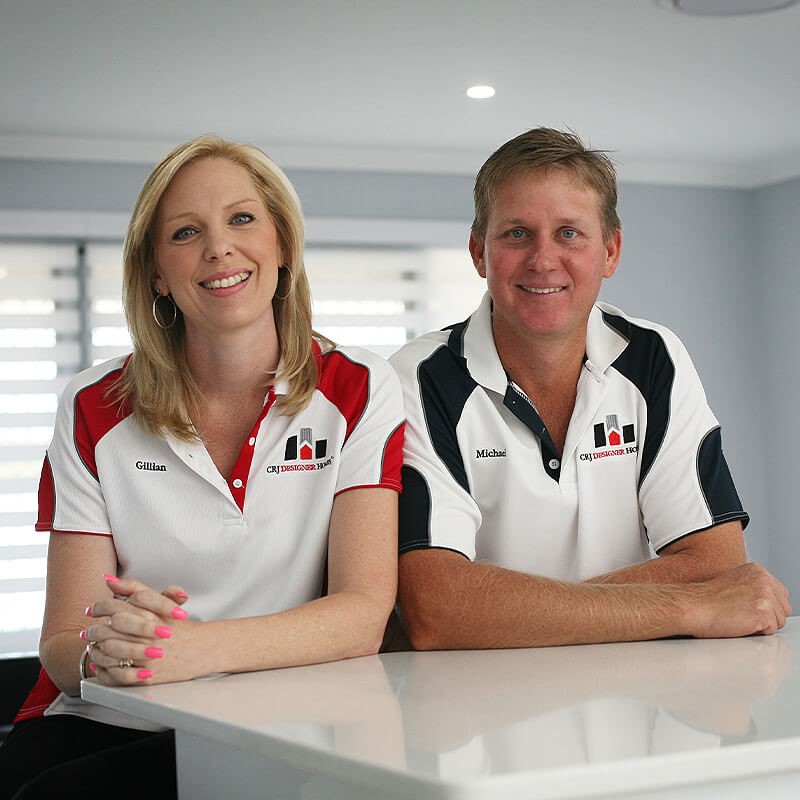
CRJ Designer Homes is a locally owned, family operated building company. Since being established in 2006, Michael and his wife Gillian have made it their goal to build quality homes at exceptional prices, with inclusions that most would consider as an extra!
How to Choose Land to Build a House On in Australia

Choosing the right block is not a “tick the box” step. It is the decision that controls everything that follows: what you can build, how much it costs, how it feels to live in, and what it is worth later. If you are searching for how to choose land to build a house on, especially around Bundaberg and the wider region, the smart approach is to look past the brochure and judge the land like a builder does. Queensland conditions, local overlays, and site variability mean two blocks priced the same can produce very different outcomes once you factor in earthworks, drainage, orientation, and services.
This guide is perfect for those building custom homes across acreage and new estates, with the practical checks that prevent expensive surprises.
How to Choose Land to Build a House On: More Than a Postcode
We've found that Australian buyers often balance lifestyle and space with convenience. The trap is choosing a block that looks perfect on a Saturday drive, then discovering weekday reality (traffic, wind exposure, services, or future development) changes the experience.
Before you commit, pressure-test the location with these checks:
- Everyday access: How close are schools, medical, shopping, sports clubs, and your usual routes?
- Commute and convenience: Not just distance, but road conditions and peak-hour patterns.
- Local feel: Noise, privacy, street lighting, and the type of builds going up nearby.
- Future plans: Council planning maps and estate staging can change traffic and amenity quickly.
- Resale logic: Even if you plan to stay long term, the block should still be desirable if life changes.
For acreage builds, add one more: what you cannot see from the road. Nearby farming activity, seasonal smells, machinery noise, or future subdivision potential can all affect lifestyle and value. If you want quiet, verify what “quiet” means year-round.
Block Size, Shape & Frontage: The Moment Your Design Becomes Possible (or Impossible)
A block can be large and still be a poor fit if the shape, frontage, or buildable area is awkward. This is especially true in new estates with tighter envelopes and on acreage where vegetation, access, and slope can reduce usable space.
What matters most:
- Frontage: Wider frontage gives more options for facade, garage placement, and side access.
- Depth: Impacts backyard usability and how well you can separate living zones from bedrooms.
- Shape: Irregular blocks can create standout designs, but they also create wasted space if not handled properly.
- Building envelope and setbacks: The “real” space you can build on is often smaller than buyers assume.
This is where house plans should enter the conversation early. Not locked-in plans, but a clear brief: number of bedrooms, home office needs, shed requirements, garage size, and indoor-outdoor living priorities. If the block fights those priorities, you will either overspend on clever fixes or compromise the outcome.
For our custom work as home builders, the advantage is flexibility, but even custom design cannot break setbacks, easements, or physics.
Orientation and Breezes: Comfort You Will Feel Every Day
In Queensland, a home that works with the climate feels effortless. A home that works against it can feel hot, dim, or expensive to run.
When standing on a block, consider:
- Where your living areas will sit to capture natural light without overheating.
- Western sun exposure, which can load heat into living spaces late in the day.
- Breeze paths for cross-ventilation, especially valuable on acreage.
- Shading impacts from neighbouring homes (new estates) or mature trees (acreage).
A strong block makes it easy to place key rooms where they perform best. A weaker block forces design “workarounds” that often cost more and still feel like compromises.
If you are comparing blocks, ask a simple question: Will this land let the home be naturally comfortable, or will we need to engineer comfort with bigger systems and more running cost?
Soil, Slope & Drainage: What the Brochure Never Tells You
This is the part many buyers underestimate, and it is where budgets often blow out. Soil and site conditions determine foundation requirements, earthworks, and stormwater solutions.
Before buying, investigate:
- Soil type and classification: A soil test (geotechnical report) identifies reactive soils, fill, and other conditions that affect slab and footing design.
- Slope (fall) across the block: Sloping sites can deliver beautiful outcomes, but often require retaining, stepped slabs, and more drainage work.
- Drainage patterns: Where does water go during heavy rain? Low points and poor fall can create ongoing issues.
- Flood information: Parts of QLD carry flood risk overlays. If relevant, this can affect floor levels, approvals, and insurance.
- Vegetation and fire considerations: On acreage, bushland proximity can trigger additional requirements.
Uncertainty note: without the specific lot number and council area details, flood overlays and other constraints cannot be confirmed here. The next step is straightforward: check local planning overlays, then confirm with a site assessment and soil test.
Services and Utilities: New Estates VS Acreage

A block is not “ready” just because it is for sale.
In new estates, confirm:
- Water, sewer, stormwater, power, NBN availability and timing
- Any estate-specific requirements for connection points or build timeframes
- Whether the block is benched and retained (or if extra work is likely)
On acreage, confirm:
- Water source: town water availability vs tanks
- Wastewater: septic requirements and suitable locations
- Power: connection distance and cost (which can be significant)
- Internet: what is realistically available, not what is “advertised”
These items are often the difference between a smooth build and months of delays and unexpected invoices.
Covenants, Easements & Council Rules: The Constraints That Dictate Your Design
Estate covenants and council planning controls can be helpful (they protect neighbourhood quality), but they can also block features you assumed were standard.
Review for:
- Easements: restrict where you can build and sometimes where you can place pools or sheds
- Setbacks and height limits: affect how wide, tall, or forward your home can sit
- Facade and material rules: common in estates (roof pitch, colours, fencing)
- Shed rules: especially relevant for acreage buyers, but some areas control placement and height
If you are bringing house plans to a block, this is where they can fail quickly. If you are not bringing plans, this is where you can accidentally buy a block that prevents what you actually want (like side access, a larger shed, or a specific garage configuration).
The Real Budget: Land Price is Only One Line Item
Two blocks at the same purchase price can produce very different total build costs.
When comparing land, include:
- Site prep and earthworks
- Retaining walls (a common budget surprise)
- Upgraded slab/foundations based on soil test results
- Driveway length (often longer on acreage)
- Stormwater management solutions
- Fencing and landscaping
- Council and compliance costs tied to overlays (if applicable)
A “cheaper” block that demands heavy site works can end up costing more than a better-positioned, build-ready block with fewer constraints.
The CRJ Advantage: Bring Your Builder Into the Land Decision Early
For custom builds, early involvement is where you win. Instead of hoping the land will suit your dream home, you confirm it before you commit.
CRJ Designer Homes can help you:
- sanity-check the block against your wish list
- flag likely site costs early
- recommend the best home orientation and layout options
- confirm the design you want is achievable within setbacks and covenants
This is also when you can align your design brief with house plans that match your lifestyle, not just what looks good online. Start with our free build assessment.
Choose Land That Makes the Build Simpler, Not Harder
If you are serious about how to choose land to build a house on in Bundaberg and surrounds or elsewhere in Australia, choose land that makes the build simpler, not harder. The right block supports comfort, keeps site costs under control, fits council and estate requirements, and matches the way you want to live, whether that is acreage freedom or estate convenience.
Buy the block that lets your home perform, not the block that forces your home to “work around” problems.
Next Step: Get a Quick Suitability Check Before You Buy
If working with us, send CRJ Designer Homes (or your builder) the lot number (or the listing link) and we can sanity-check setbacks, easements, likely site costs, and the best orientation for your build before you commit.
About the author
comments powered by Disqus
Say hello to CRJ

Get your free build assessment
Fill out our assessment request telling us what you're after in your new home & we'll provide you with a full home build & cost estimate.