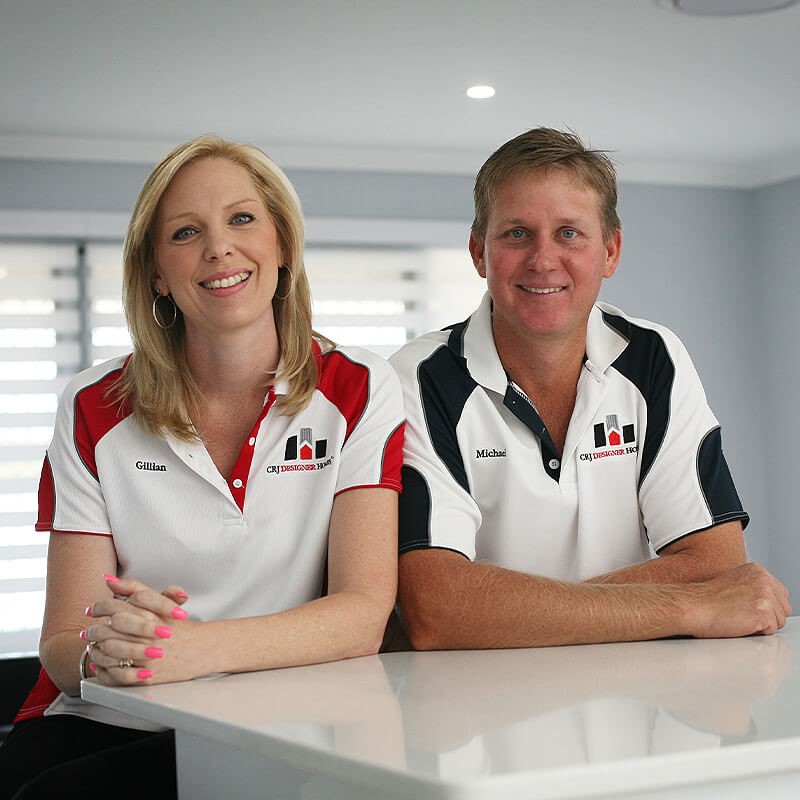
CRJ Designer Homes is a locally owned, family operated building company. Since being established in 2006, Michael and his wife Gillian have made it their goal to build quality homes at exceptional prices, with inclusions that most would consider as an extra!
Wabi-Sabi Interior Design: Japanese Minimalism Meets Australian Living

In a world that often feels fast, busy, and over-styled, wabi-sabi interior design offers a refreshing alternative, one that embraces calm, authenticity, and beauty in imperfection. Rooted in Japanese philosophy, wabi-sabi celebrates natural materials, subtle textures, and spaces that feel lived-in rather than overly polished. When thoughtfully adapted, this design approach pairs beautifully with Australian living, creating homes that feel grounded, timeless, and deeply connected to their surroundings.
For homeowners seeking spaces that feel relaxed yet intentional, wabi-sabi interior design aligns perfectly with the Australian lifestyle, where indoor and outdoor living blend, materials age gracefully, and comfort is just as important as aesthetics.
What Is Wabi-Sabi Interior Design?
At its core, wabi-sabi interior design is about finding beauty in imperfection, impermanence, and simplicity. Unlike traditional minimalism—which can sometimes feel stark or cold, wabi-sabi is warm, organic, and soulful. It values handmade objects, raw finishes, and natural ageing over flawless surfaces and mass-produced décor.
Key principles of wabi-sabi include:
- Imperfect, organic forms
- Natural and untreated materials
- Subtle, earthy colour palettes
- Spaces that feel calm, balanced, and unforced
Rather than striving for perfection, wabi-sabi encourages homes that feel honest and connected to the people who live in them.
Why Wabi-Sabi Works So Well in Australian Homes
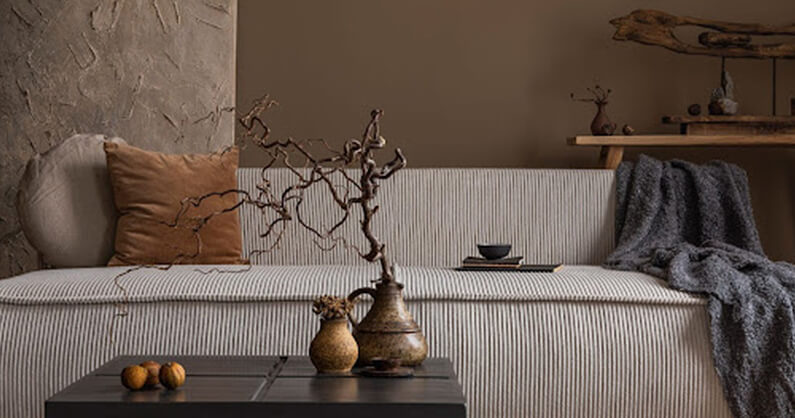
Australian homes are uniquely positioned to embrace wabi-sabi. Our climate, landscapes, and lifestyle naturally align with its principles. Sunlight, fresh air, and a strong connection to nature already play a major role in how we design and live in our homes.
When interpreted through an Australian lens, wabi-sabi interior design becomes less about strict rules and more about thoughtful restraint—allowing materials and spaces to breathe.
Many homeowners working with a Bundaberg builder are drawn to this style because it suits both coastal and regional living, offering durability, comfort, and timeless appeal without feeling trend-driven.
Natural Materials Take Centre Stage
Material selection is one of the most important elements of wabi-sabi interiors. Timber, stone, clay, linen, and concrete are celebrated for their natural variation and texture. Knots in wood, subtle cracks in stone, and uneven finishes are not flaws—they’re features.
In Australian homes, this might look like:
- Timber floors with visible grain
- Honed stone benchtops rather than high-gloss finishes
- Limewashed or textured walls
- Handmade ceramic basins or tiles
These materials age gracefully over time, becoming more beautiful as they develop character.
A Soft, Earthy Colour Palette
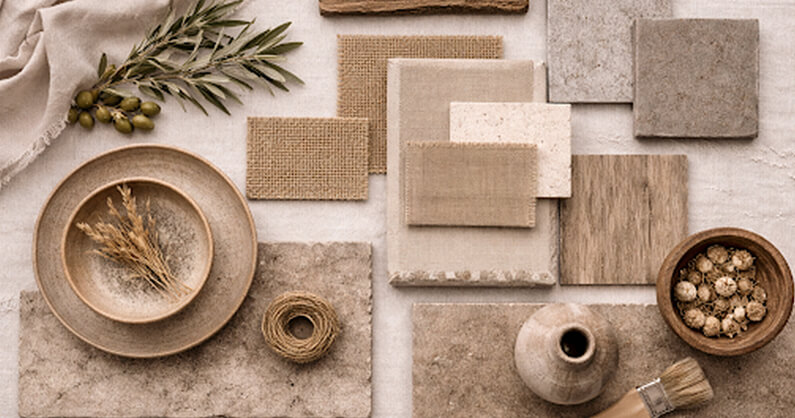
Wabi-sabi colour palettes are inspired by nature. Think warm whites, soft greys, sand, clay, olive, and muted browns. These tones create a sense of calm and allow natural light to gently move through the space.
Rather than high contrast or bold feature colours, wabi-sabi interiors rely on subtle layering. Slight variations in tone and texture add depth without overwhelming the senses.
This approach works beautifully in open-plan homes, where cohesion and flow are essential.
Minimal, But Never Cold
While wabi-sabi shares similarities with minimalism, it feels far more inviting. Furniture and décor are intentionally pared back, but each piece is chosen with care. Quality is prioritised over quantity, and every item has a purpose.
Instead of filling shelves and surfaces, wabi-sabi interiors allow negative space to exist, giving the eye somewhere to rest. This sense of openness supports wellbeing and creates a home that feels calm rather than cluttered.
Embracing Imperfection in Everyday Living
One of the most appealing aspects of wabi-sabi interior design is how forgiving it is. Unlike highly polished interiors that demand constant upkeep, wabi-sabi welcomes wear and tear as part of the home’s story.
A slightly worn timber bench, linen curtains softened by sunlight, or stone that shows subtle marks over time all add to the charm. This makes wabi-sabi particularly well-suited to family homes, where living is prioritised over perfection.
It’s a design philosophy that allows homes to be lived in, not tiptoed around.
Furniture That Feels Grounded and Honest
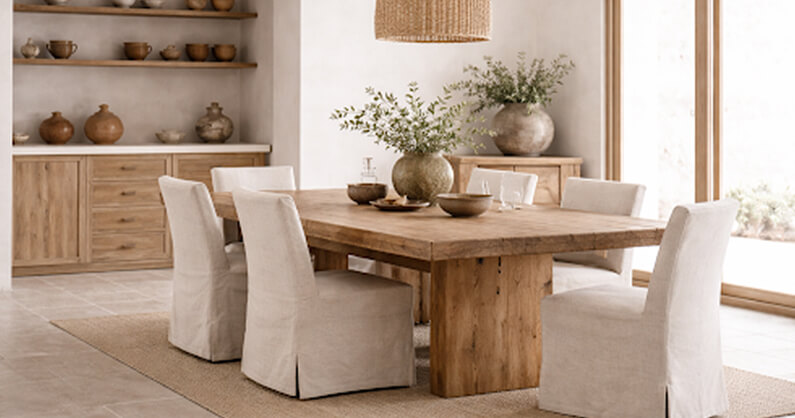
Furniture in a wabi-sabi home tends to be low-profile, simple in form, and made from natural materials. Think solid timber dining tables, linen-upholstered sofas, and handcrafted pieces that showcase craftsmanship.
Rather than matching sets, wabi-sabi encourages thoughtful curation. Pieces can be collected over time, creating a home that feels personal and layered rather than staged.
This approach aligns well with custom homes designed alongside a Bundaberg builder, where furniture and architecture can work together seamlessly.
Indoor–Outdoor Connection
Australian living is synonymous with a strong indoor–outdoor connection, and wabi-sabi naturally supports this. Large openings, natural ventilation, and views to gardens or landscapes reinforce the relationship between the home and its environment.
Using similar materials inside and out such as stone, concrete, or timber helps blur boundaries and enhances the feeling of calm continuity.
Is Wabi-Sabi Right for Your Home?
If you value simplicity, natural beauty, and a home that feels calm and authentic, wabi-sabi interior design may be the perfect fit. It’s especially well-suited to homeowners who prefer timeless design over fleeting trends and who want spaces that age gracefully alongside their family.
When designing or building a custom home, working closely with a Bundaberg builder who understands material selection, layout, and lifestyle needs is key to achieving this balance.
About the author
comments powered by Disqus

Say hello to CRJ

Get your free build assessment
Fill out our assessment request telling us what you're after in your new home & we'll provide you with a full home build & cost estimate.