
CRJ Designer Homes is a locally owned, family operated building company. Since being established in 2006, Michael and his wife Gillian have made it their goal to build quality homes at exceptional prices, with inclusions that most would consider as an extra!
How Often to Paint a House Interior: Tips from a Builder

One question I get all the time from homeowners: how often should I really be repainting inside my house? There's no universal answer because it depends on how you live, what quality paint you used, how much action your walls see, and honestly, how picky you are about keeping things looking sharp. What I can tell you after years working with house builders in Bundaberg is this: getting the timing right saves you money, protects your walls, and keeps your home value solid.
Different Rooms, Different Schedules
Not every room needs paint at the same time. The spaces that get beat up daily need attention much sooner than that guest room nobody uses.
High-Traffic Zones (Every 3-5 Years)
Hallways, kitchens, kids' rooms, living areas-these take a pounding. Constant contact, spills, humidity, scuffs. Even good paint starts looking tired after 3 to 5 years in these spots. Got young kids or pets? You're probably looking at closer to 3.
Moderate-Use Rooms (Every 5-7 Years)
Adult bedrooms, dining rooms, home offices-they don't get the same abuse. With reasonable care, you can stretch these to 5-7 years before needing a refresh. The wildcard is sunlight. Rooms that get hammered with natural light fade faster, especially if you went with darker or bolder colours.
Low-Traffic Spaces (Every 7-10 Years)
Guest bedrooms, formal sitting rooms, storage areas-you can easily go 7 to 10 years here. They just don't wear out. Most builders I know will tell you to spot-fix any little marks instead of repainting the whole thing until the colour fades noticeably or you just want a change.
Bathrooms and Laundries (Every 4-6 Years)
Moisture kills paint. Even with quality materials and decent ventilation, humidity breaks things down faster. Semi-gloss or satin holds up better against dampness than flat finishes, which can push you toward that 6-year mark. Bad ventilation? Cut that timeline in half.
What Makes You Need to Repaint Sooner
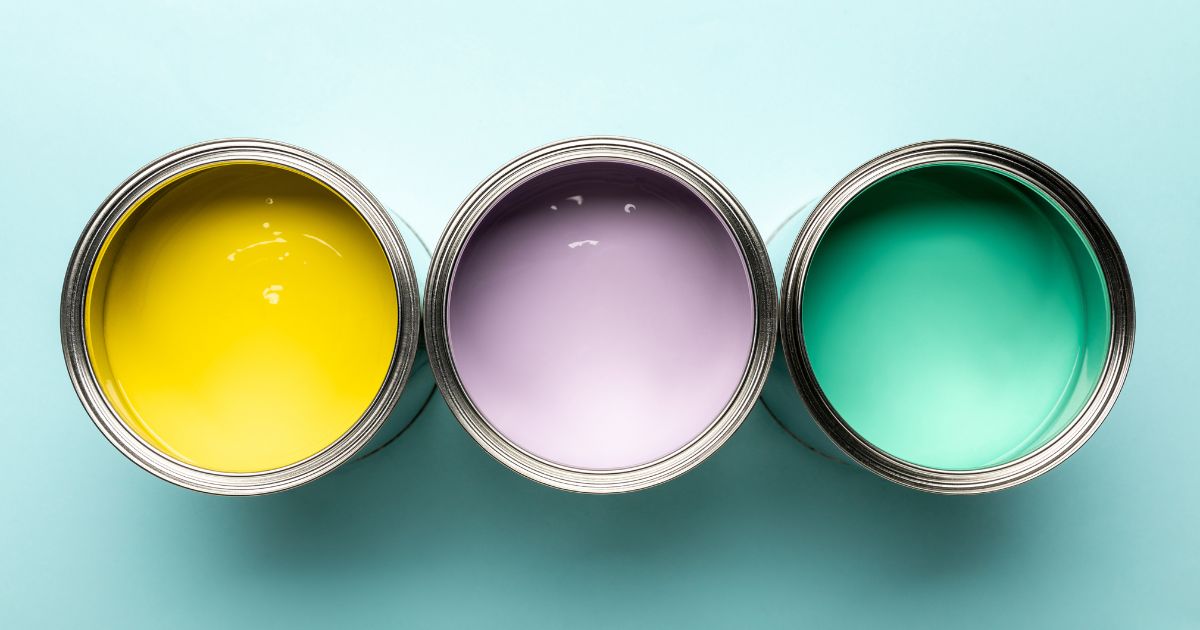
Beyond how much a room gets used, several things determine when you'll be picking up that paintbrush again.
Paint Quality Actually Matters
Premium paints cost maybe 40-60% more than the cheap stuff, but they last twice as long and fight off stains way better. Builder-grade might look rough after 3-4 years. Premium can hit 7-8 years under the same conditions. When you're building new with Bundaberg contractors, spending more upfront on paint pays off over the long haul.
Colour Choice Changes Everything
Dark colours show every little scuff, every bit of fading, every imperfection. Deep blues, blacks, rich reds-you might be touching them up every 3-4 years. Whites, creams, light greys? They can cruise to 6-8 years easy. Love bold colours? Plan to maintain them more often, or use them as accent walls you can refresh without doing the whole room.
How Well It Was Prepped
Proper prep - cleaning, patching, priming - determines how long paint actually sticks and looks decent. Rush through prep and you'll cut your paint life by 30-50%. That's why good builders obsess over surface prep before a single drop hits the wall.
What Your Household Is Like
Kids under 12? Multiple pets? Throw a lot of parties? You're repainting 40-50% more often than quieter households. Sticky hands, pet claws, flying toys, furniture getting shoved around-it adds up fast. Better to set realistic expectations based on how you actually live.
Climate and Humidity
Bundaberg's subtropical weather means humidity affects how long interior paint lasts. Homes without solid ventilation or climate control see paint break down faster, especially in bathrooms, kitchens, and laundries. Good ventilation buys you years.
How to Stretch Time Between Paint Jobs
Smart maintenance means you're not constantly repainting.
Clean Your Walls
Gentle cleaning every 6-12 months gets rid of the grime that makes paint look dingy. Soft sponge, mild soap, work bottom to top to avoid streaks. This alone can add 1-2 years.
Fix Problems Right Away
Touch up scuffs and scratches when they happen. Keep leftover paint from each room for quick fixes. Ten minutes now prevents needing a full repaint later because one section looks trashed.
Control Moisture
Run bathroom fans during showers and for 20 minutes after. Use kitchen vents. Fix leaks immediately. Moisture destroys paint faster than anything and can create mould problems that'll cost you serious money to fix.
Protect High-Contact Spots
Corner guards in hallways, furniture pads on chair backs, maybe chair rails in the dining room. Anything that reduces direct wall contact buys you time.
Pick the Right Finish
Flat paint hides flaws but can't handle cleaning. Eggshell and satin are more durable for most rooms. Semi-gloss works in wet areas and high-traffic zones. Matching the finish to how you use the room matters as much as picking the color.
When You Actually Need to Repaint
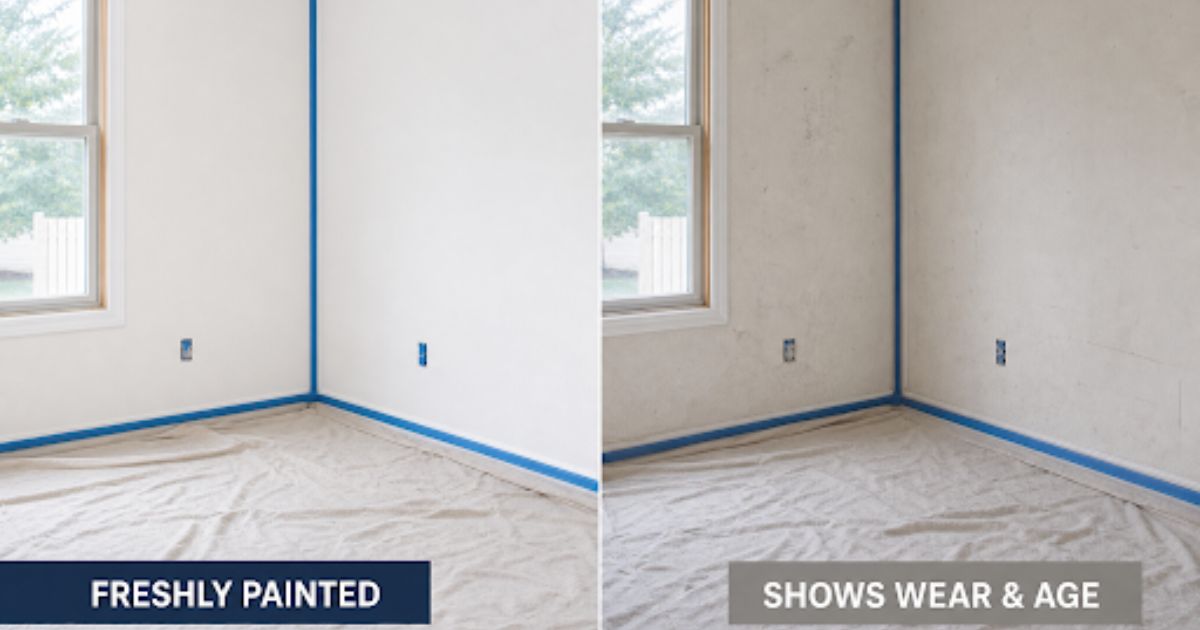
Sometimes the calendar doesn't matter-you just need fresh paint.
- Fading or discolouration: uneven colour, yellowing, sun damage
- Peeling or bubbling: means moisture issues or the paint never stuck right
- Stains that won't budge: no amount of scrubbing helps
- Visible wear: accumulated scuffs and scratches, making rooms look rough
- Outdated look: colours that feel tired or hurt your home value
- Selling prep: fresh paint gives you one of the best returns on investment
Creating Your Own Schedule
Start by actually walking through your house and looking at each room honestly. Factor in how your household operates, what you can budget for upkeep, and what level of imperfection you can tolerate.
Most people do better with a rolling schedule-2-3 rooms every other year instead of the whole house at once. Spreads out the cost and the disruption while keeping everything consistently fresh.
Why Professional Input Helps
These are guidelines, but your situation is specific to you. Quality construction from day one-proper prep, materials suited to the climate, expert application-dramatically affects how long paint lasts and how good it looks the whole time.
Whether you're building, renovating, or just maintaining what you've got, understanding these timelines helps you budget smartly and keep your home looking right. Plan ahead instead of waiting until things look terrible, and you'll maximise both time and money between paint jobs while your place always looks sharp.
About the author
comments powered by Disqus

Say hello to CRJ

Get your free build assessment
Fill out our assessment request telling us what you're after in your new home & we'll provide you with a full home build & cost estimate.