
CRJ Designer Homes is a locally owned, family operated building company. Since being established in 2006, Michael and his wife Gillian have made it their goal to build quality homes at exceptional prices, with inclusions that most would consider as an extra!
Kitchen Peninsula vs Island: Which one works better & why

When it comes to kitchen design, the choice between a kitchen peninsula vs island is one of the most common dilemmas we see with our clients here in Bundaberg. Both options offer fantastic functionality and can transform your cooking space, but the right choice depends entirely on your home's layout, your family's lifestyle, and how you actually use your kitchen day to day.
After building custom homes across Queensland for over two decades, we've installed countless peninsulas and islands, and we've learned that there's no one-size-fits-all answer. What works beautifully in a sprawling acreage home might feel cramped in a compact suburban kitchen, and what suits a busy family of five might be overkill for empty nesters.
Let us walk you through the practical differences between these two popular kitchen layouts, so you can make the right choice for your home. You can also get more personalised information if you're building locally with a free build assessment.
Understanding Kitchen Peninsulas and Islands
A kitchen peninsula is essentially an extension of your existing cabinetry that juts out into the room, creating an L or U-shaped layout. It's connected to your main kitchen run on one end, leaving three sides accessible. Think of it as a partial island that's anchored to your existing benchtops.
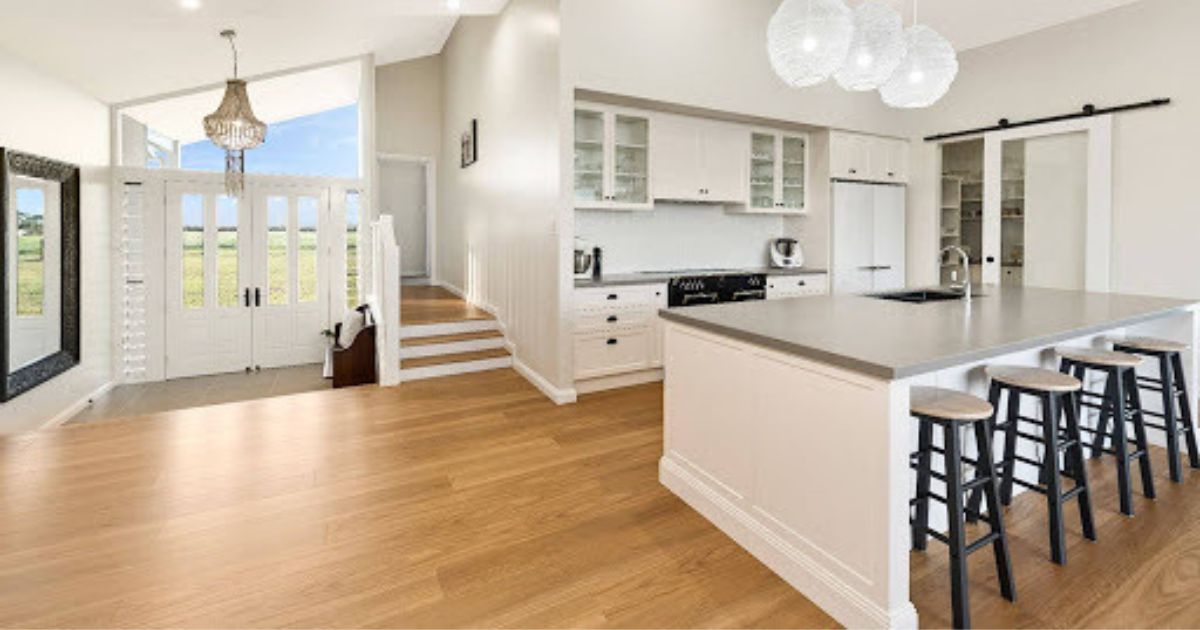
An island, on the other hand, stands completely alone in your kitchen space with all four sides accessible. It's like having a separate piece of furniture in the middle of your cooking area, though obviously built-in and permanent.
Both options can house sinks, cooktops, storage, and seating, but they work quite differently in practice.
Space Requirements and Kitchen Size
The biggest factor in choosing between a peninsula and island comes down to the size and shape of your kitchen. Islands need significantly more floor space to work properly. As a general rule, you need at least 1.2 metres of clearance on all sides of an island for comfortable movement, which means your kitchen needs to be fairly generous in size.
We've seen too many homeowners squeeze islands into kitchens that simply aren't large enough, and the result is a space that feels cramped and difficult to navigate. You end up bumping into corners and struggling to open dishwashers or oven doors properly.
Peninsulas are much more forgiving with space. Because one end is connected to your existing kitchen, you only need clearance on three sides. This makes them perfect for galley kitchens, smaller open-plan spaces, or homes where the kitchen flows into a dining or living area but space is at a premium.
Many of our clients here in Queensland live in homes where the kitchen, dining, and living areas flow together in classic Australian style. A peninsula can define these spaces beautifully without eating up precious floor area.
Traffic Flow and Functionality
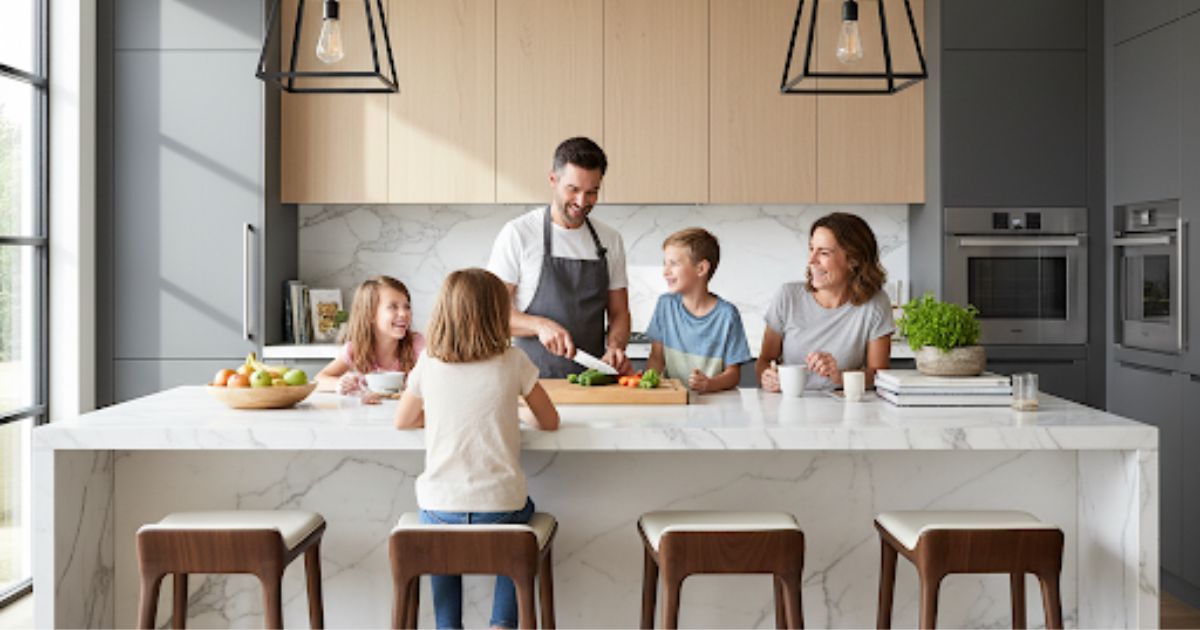
How your family moves through the kitchen makes a huge difference in which option works better. Islands create what we call the "kitchen triangle" – the efficient movement between sink, stove, and fridge. When done well, an island can actually improve traffic flow by providing multiple pathways around your cooking space.
However, islands can also create bottlenecks if your kitchen opens into a hallway or if it's the main thoroughfare between different areas of your home. We've worked with families where the kids constantly cut through the kitchen on their way to the backyard, and an island would have created a real obstacle course.
Peninsulas tend to direct traffic flow rather than interrupt it. They naturally guide people around the cooking area while still providing that extra bench space and storage you're after. This can be particularly useful in open-plan homes where you want to subtly separate the kitchen from the living area without building walls.
Storage and Counter Space
Both peninsulas and islands can dramatically increase your storage and counter space, but they do it differently. Islands typically offer storage on all four sides, which can be fantastic if you're dealing with a kitchen that's short on cupboard space. You can fit full-height pantry units, wine storage, or even a second dish
Peninsulas usually provide storage on three sides, which is still substantial but not quite as much as an island. However, because they're connected to your existing cabinetry, they often feel more integrated and can make better use of corner spaces that might otherwise be awkward.
The bench space on either option is fantastic for food preparation, especially if you do a lot of cooking or baking. Many of our Bundaberg home builders clients tell us that the extra counter space transforms how they cook, giving them room to spread out ingredients and work more efficiently.
Kitchen Peninsula Vs Island: Seating and Entertainment
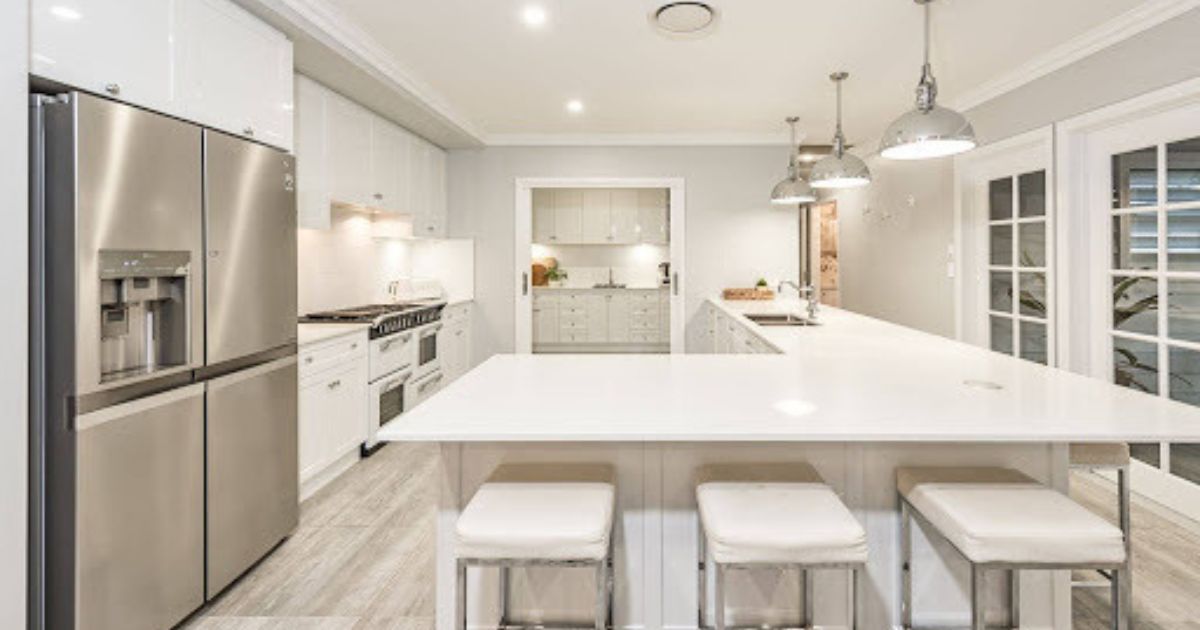
Both peninsulas and islands can accommodate bar stools or chairs for casual dining, but they work differently for entertaining. Islands provide seating on multiple sides, which can be great for larger families or if you regularly host gatherings. People can sit around the island and chat with the cook while staying out of the workspace.
Peninsulas typically offer seating on one or two sides, which creates a more intimate setting. This can actually be better for smaller families or couples who want a cosy breakfast bar without the formality of a separate dining table.
I've noticed that peninsulas tend to create a natural gathering spot where family members end up perching while the cook works. Islands can sometimes feel a bit too separate from the main kitchen activity.
Installation Complexity and Cost
From a building perspective, peninsulas are generally simpler and less expensive to install. Because they're connected to existing cabinetry and often share plumbing and electrical connections, there's less structural work involved.
Islands require more complex planning, particularly if you want to include plumbing or electrical features. Running water lines and power to the middle of a room involves more coordination and typically higher costs. You might also need to consider structural requirements if you're planning a large island with heavy stone benchtops.
Making the Right Choice for Your Home
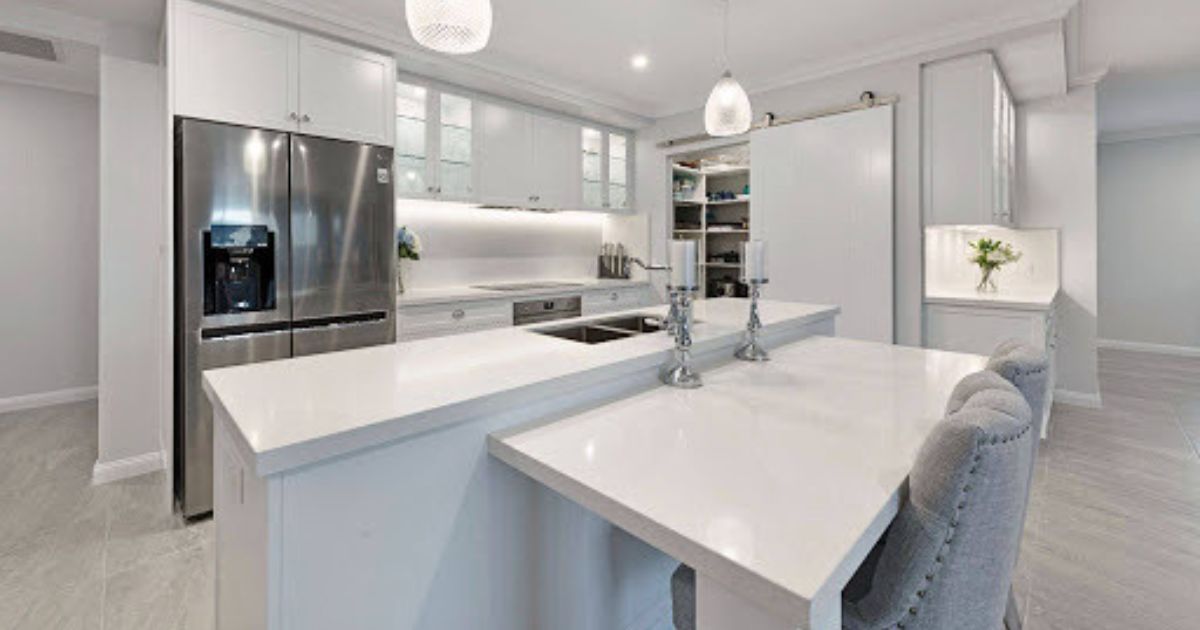
After years of helping families design their dream kitchens, we've learned that the best choice usually becomes obvious once you consider how you actually live in your space.
Choose a peninsula if your kitchen is on the smaller side, if you want to define spaces in an open-plan home, or if your kitchen is part of a main traffic route through the house.
Peninsulas are also ideal if you're looking for extra functionality without a major renovation or if budget is a consideration.
Go with an island if you have a larger kitchen with good natural flow, if you do lots of cooking and need maximum counter space, or if you frequently entertain and want that central gathering point. Islands work particularly well in homes where the kitchen is truly the heart of the home.
Remember that both options can be incredibly functional and beautiful when designed thoughtfully. The key is choosing the one that fits your space, lifestyle, and budget rather than following trends or what looks good in magazines.
At the end of the day, your kitchen should work for how your family lives, whether that's quick weekday dinners or weekend cooking marathons. Take time to observe how you currently use your kitchen space, and that will guide you toward the right choice for your home.
About the author
comments powered by Disqus

Say hello to CRJ

Get your free build assessment
Fill out our assessment request telling us what you're after in your new home & we'll provide you with a full home build & cost estimate.